ZLD Plant Manufacturer In Lucknow
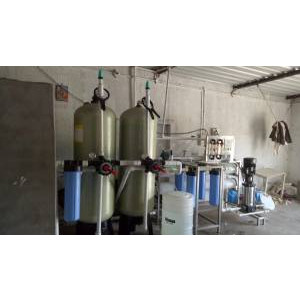
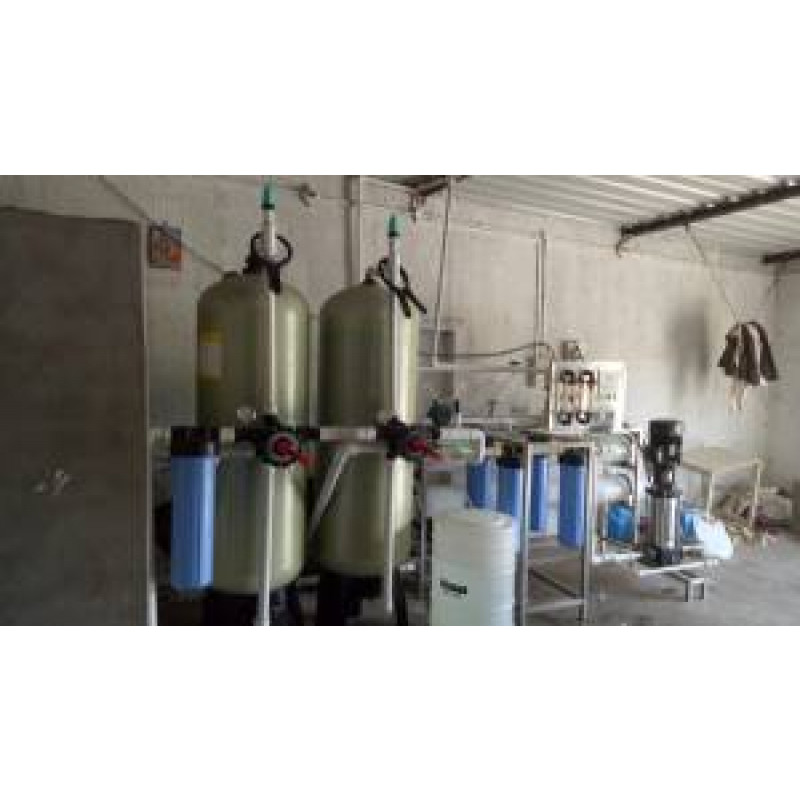
Details of Industrial Water Treatment Plant
Operating near Lucknow, we focus on producing Zero Liquid Discharge plants that offer robust functionality and adhere to strict quality guidelines. These plants handle wastewater from industries where discharge limits are tight. We don't cut corners; the design matches specific waste profiles, making sure no liquid waste leaves the site.
Then there's the complexity of managing brine and sludge. Our ZLD plants tackle this by using a mix of evaporation, crystallization, and filtration methods. This reduces waste volume substantially but demands precise control systems that work around the clock. Maintenance becomes crucial because any slip can cause system downtime or non-compliance with environmental rules.
We pay close attention to material choice too. The parts in contact with highly concentrated salts need corrosion-resistant alloys or special coatings. We use stainless steel housings for membranes and filters, which hold up better than standard metals over time. It’s about cutting long-term costs despite higher upfront investment.
The installation process near Lucknow involves careful site prep because local water chemistry varies significantly between industrial zones. It affects scaling tendencies in the system, so pre-treatment steps get customized accordingly (a detail sometimes overlooked by others). Our teams coordinate closely with clients during setup to tweak parameters for smooth startup.
Operational reliability is key once the plant runs continuously under heavy loads. That means automating monitoring while allowing manual overrides when needed—especially during power fluctuations common in certain areas here. Remote supervision capabilities help troubleshoot problems without dispatch delays.
If you're considering options now for zero liquid discharge solutions, reach out directly so we can discuss your unique waste streams and operational challenges firsthand. A detailed survey often reveals unexpected factors impacting system sizing and process selection, which general quotes don’t cover well enough.
Offered Product
