Sewage Treatment Plant Manufacturer In Sonipat
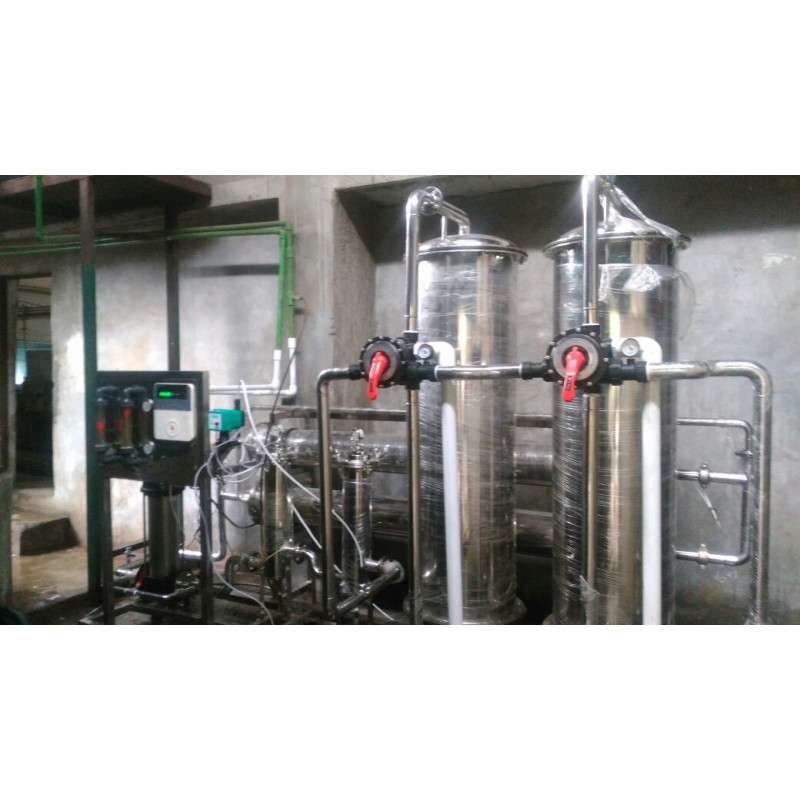
Details of Reverse Osmosis Plant Industrial
Buying a Sewage Treatment Plant built in Sonipat means you get steady output and fewer stoppages, which helps keep your operations smooth and lowers your costs over time. You don't just invest in equipment; you back a system designed to handle waste water efficiently and steadily. This kind of reliability is crucial when you want to avoid costly downtime and maintain consistent treatment standards.
The plant tackles the real challenge of sewage by breaking down solids, removing harmful bacteria, and treating waste water so it’s safe for release or reuse. It stands up well even against fluctuating loads, which is common in industrial setups around Sonipat. Plus, these systems often come with features that help cut energy use, making them more wallet-friendly in the long haul.
Thoughtful Use of Resources
Designed to minimize power consumption while processing waste
Supports recycling treated water for non-potable uses
Cuts down on sludge volume through optimized processes
Making sewage treatment work isn’t just about technology but about building systems that last without constant fixing. We put effort into using strong materials that resist corrosion and wear because treatments plants run hard daily—especially under harsh conditions. The goal is keeping things running with minimal fuss over years.
This approach also involves engineering plants that can be adapted or expanded based on changing needs at sites like those found near Sonipat industries. Modularity matters here: it lets users add capacity or upgrade parts without rebuilding everything from scratch. We try to make each system fit the customer’s exact setup rather than force-fit generic solutions.
If you want to see technical details or specs for these Sewage Treatment Plants, we can provide drawings, flow charts, and process outlines showing how each unit handles influent quality variations and meets discharge standards consistently.
Offered Product
